who i am
(This is the long version of my story -- for the short version, visit my linkedin)
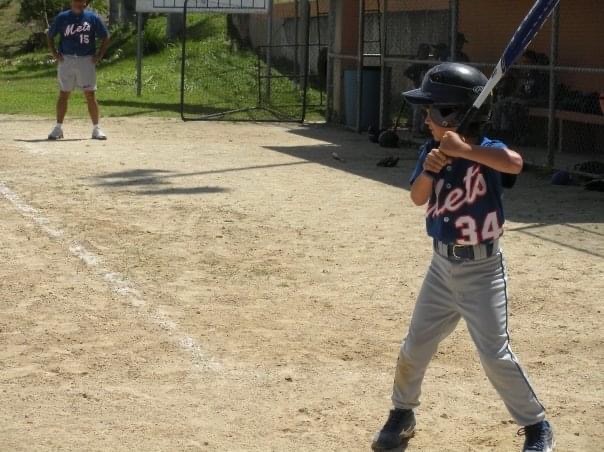
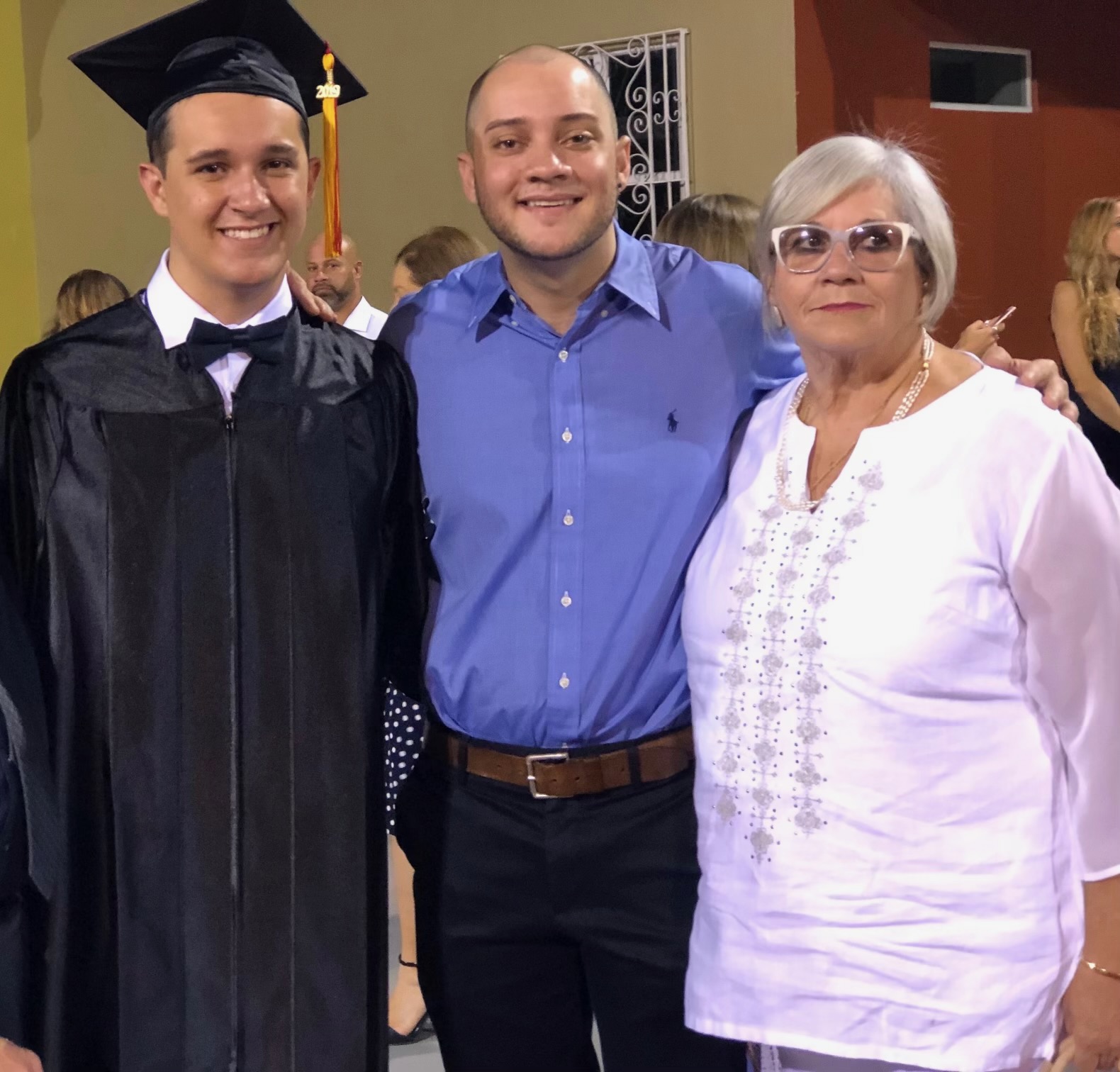
For most of my early life in Puerto Rico, I cared more about sports and games than about school. But after a rebellious stretch and a series of difficult experiences in middle school (my mom can talk about this at length), something clicked. I bet on myself in 9th grade -- partly because I was on disciplinary probation, and partly because my English teacher saw something in me and pushed me to take it seriously. It changed everything. Self-confidence building more self-confidence. I quickly rose to the top of my class, started competing in math olympiad, science bowl, and model UN, and all of it confirmed that I just really loved learning and achieving. In a few years, I went from my parents worrying about my future to winning valedictorian (enjoy my speech here if you understand Spanish). I remember this time fondly and am forever grateful to my mentors and family for guiding me toward what could've otherwise been a really different life.
Intellectually, I gravitated toward chemistry and physics because they felt intuitive and beautiful -- I vividly remember the periodic table clicking for the first time. Spiritually, though, I was drawn toward the life sciences because the number of unsolved problems seemed infinite (and will as long as humans are mortal), the solutions to those problems are often simple in theory but technically challenging, and the raw impact of solving them is of incalculable value. Early on, I knew I wanted to work on something the world genuinely needed, not something it could live without -- which, turns out, is also what makes a great business, though I didn't know that at the time. I remember telling my best friend in high school, "I want to make molecules," without really knowing what that meant but being completely sure about it. My calculus was simple: how can I have the largest impact on the largest number of people, while doing something that feeds my curiosity and is intellectually challenging?
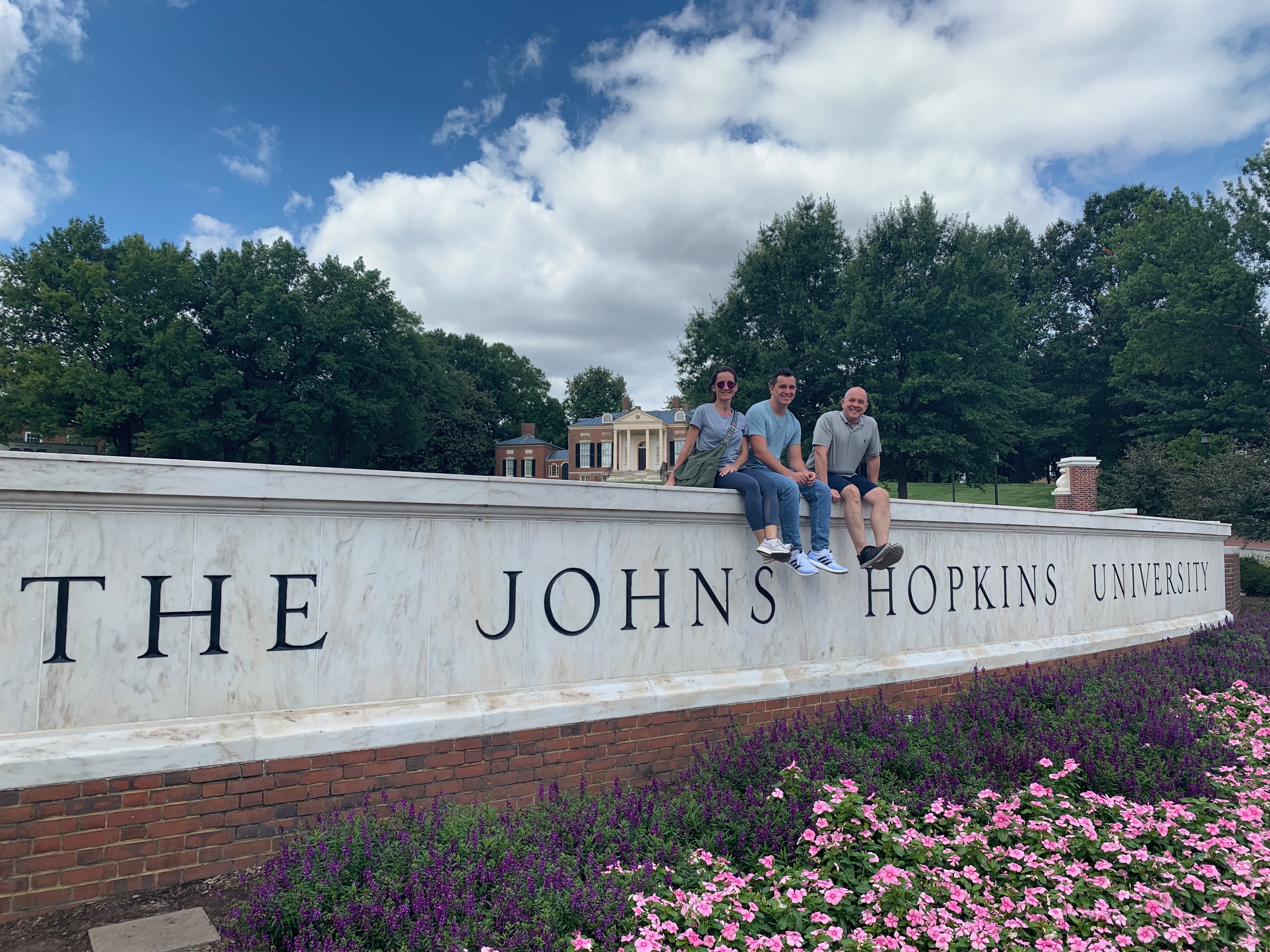
This led me to study chemical and biomolecular engineering at Johns Hopkins, which perfectly combined my chemical and physical intuition with the life sciences to understand how molecules work. My path to biotech, though, wasn't a straight line.
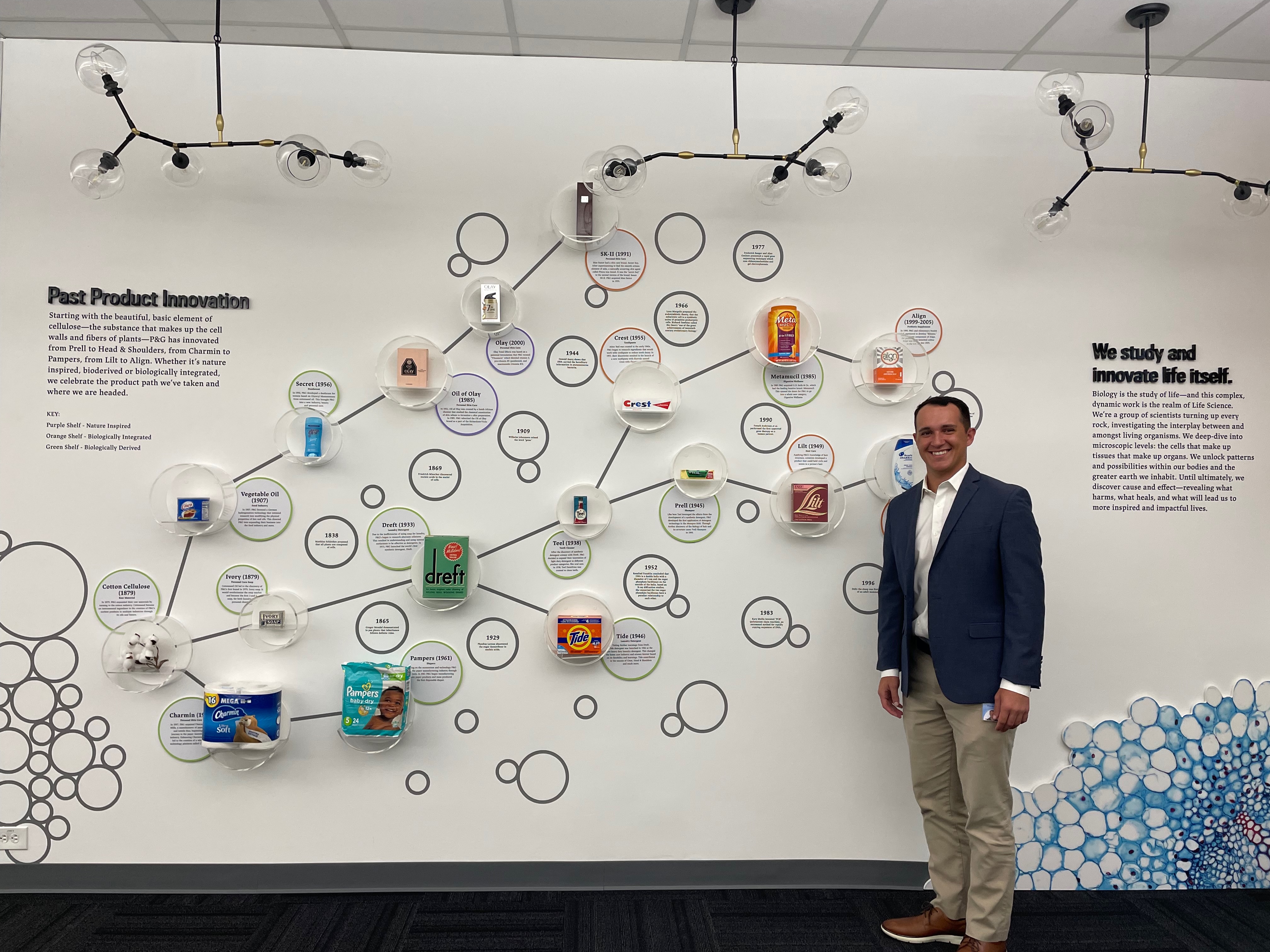
Early in college, I stumbled into a remarkable opportunity at the GOAT consumer goods company -- a group at Procter & Gamble doing fundamental chemistry and biology research to develop technologies that would, in over a decade, radically transform their legendary products (Tide, Crest, Gillette, to name a few). It was essentially an academic lab with unlimited resources and extreme talent density in the middle of Ohio. It was extremely fun. My mentor there, Jose Carlos Garcia-Garcia, left his tenure-track position at Hopkins to join the group and impacted my life in more ways than he probably realized. Over two summers on the precision chemistry team, I modeled how olfactory receptors recognize specific molecules and, separately, designed compounds that selectively kill bad bacteria while leaving the rest of the microbiome intact (think Old Spice -- you want to eliminate smelly bacteria while preventing irritation). For the first time, I was actually "making molecules" that could tangibly impact millions of lives. Those people also inspired me to pursue a PhD -- something I hadn't even remotely considered, having grown up without knowing a single person who had one, and assuming it only led to becoming a professor.
Back at Hopkins, I worked at the Institute for NanoBioTechnology on hydrogel-based delivery of chemotherapies for glioblastoma patients. Brain tumors usually grow back after surgery, so the question was... could we design a peptide hydrogel that sits inside the cavity left behind and slowly releases drug over time without killing healthy cells? I was hooked and spent over a year designing and synthesizing peptides to improve hydrogel performance. The connection between chemistry and patient impact had never felt more real.
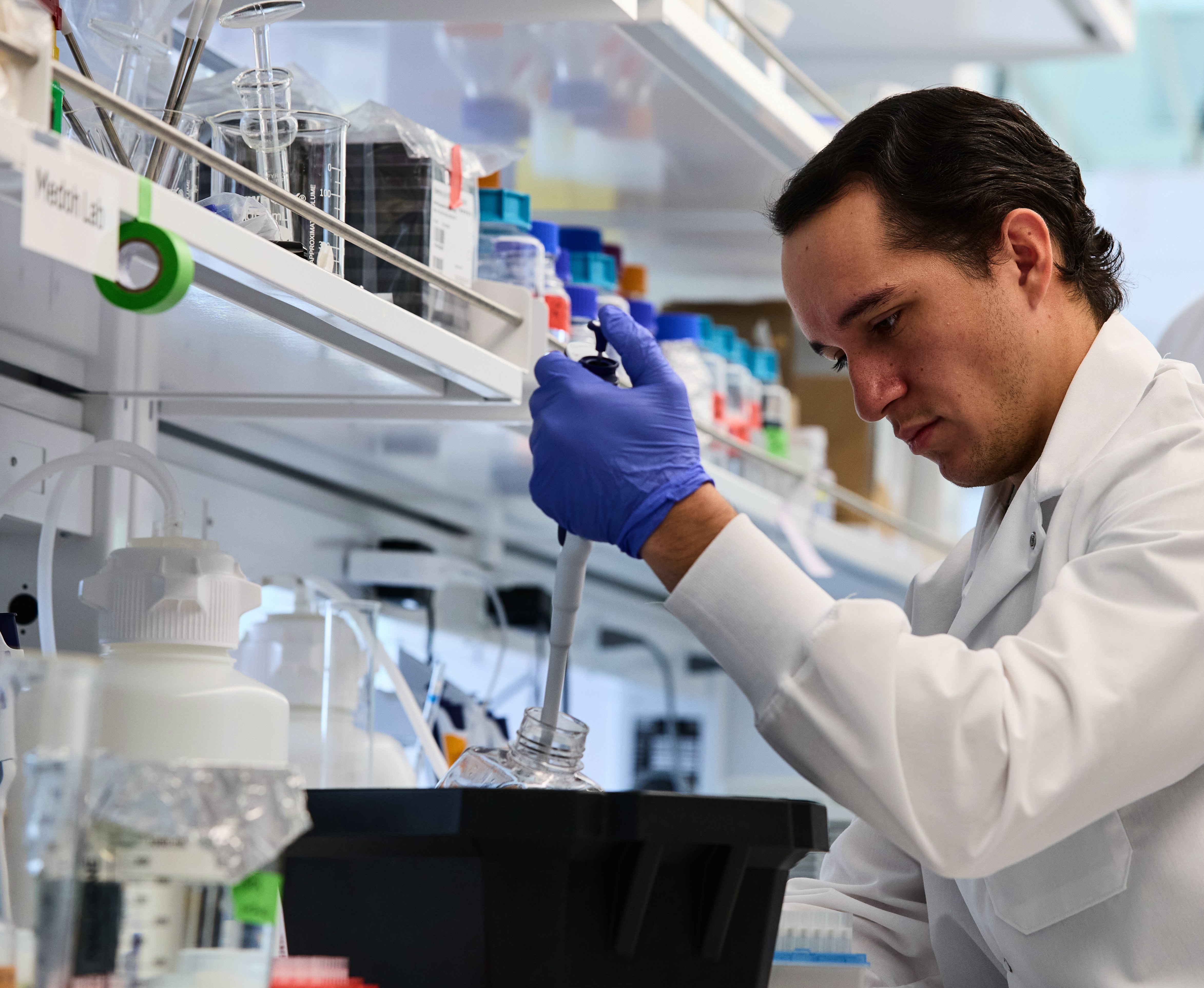
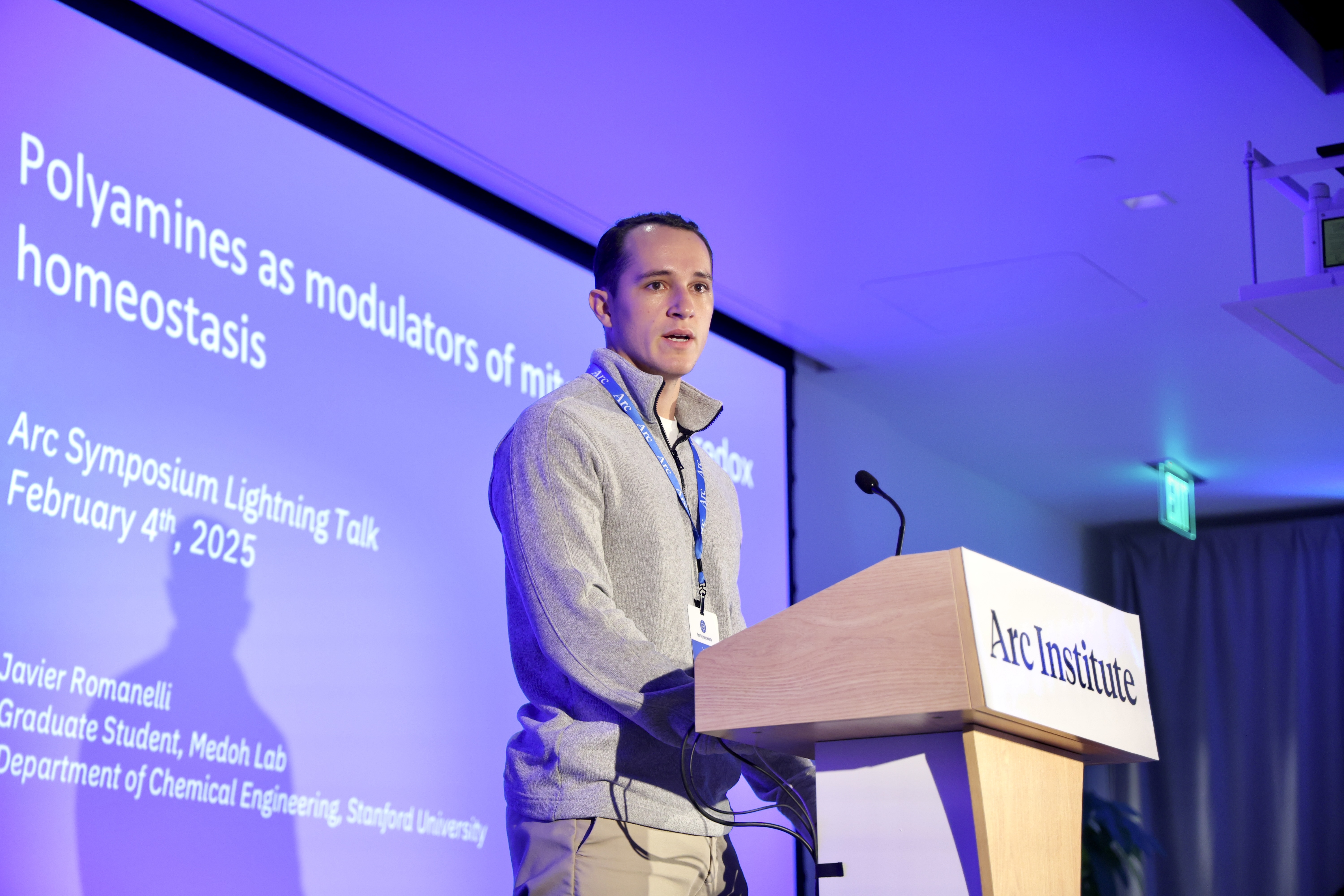
After graduating, I went straight to Stanford for a PhD in chemical engineering with a clear goal: to develop an actual drug, all the way from target discovery to a compound that could reach patients. After rotating through and learning an enormous amount in the labs of Carolyn Bertozzi, Tony Wyss-Coray, Monther Abu-Remaileh, and Scott Dixon, I took a chance on Uche Medoh (and he took one on me) and joined his group at the Arc Institute before there was even a lab. We study the molecular mechanisms of aging across every scale: chemical biology, biochemistry, cell biology, structural biology, animal biology, human genetics, drug screening, and medicinal chemistry. We've made very exciting (still unpublished) discoveries in mitochondrial metabolism and are developing drugs with real potential across type 2 diabetes, Alzheimer's, obesity, and hopefully aging itself.
I've also made a deliberate effort to understand what "great" looks like in the biotech industry, from the inside and from the outside. In undergrad, I advised over 100 student startups at the Hopkins startup incubator -- pro tip: work on stuff you'd do for free. Inspired by Andrew Lo's hub-and-spoke theory, I joined GondolaBio right after they spun out of BridgeBio with $300M to develop drugs for high-unmet-need rare diseases. In a year there, I learned that BridgeBio's success is no accident -- the bar for talent is extraordinarily high and the mission is deeply personal to everyone involved, which tremendously shaped how I think about building a great drug company. I did a fellowship with Lux Capital on early-stage therapeutics investments, where I met some very impressive founders and learned what excellence looks like from the capital side. I've also been deeply involved with the Stanford Biotech Group, through which I teach a class on biotech public market investing and helped start Ferment, a grassroots community for biotech scientist-founders. This all feeds my preparation and motivation to build and invest in drug companies for years to come.
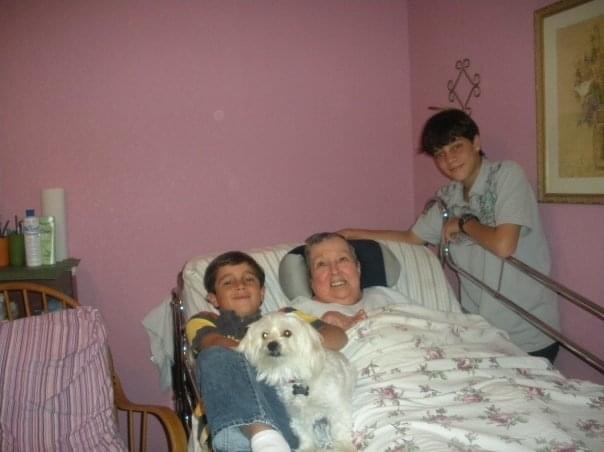
As Steve Jobs said in his Stanford commencement speech, sometimes you can only connect the dots looking backward. I've always let curiosity and excitement guide me, but if I'm being honest, there's something deeper underneath all of it: a desire to improve the human condition that became very personal when I watched both of my grandmothers deteriorate and eventually lost them -- one to Alzheimer's, one to metabolic disease. The desire to "make molecules" is (almost a decade later) becoming very real. And I wouldn't have it any other way.